Start here: the castle is the straightforward part — pick what the rest of the day is
The castle’s own 2026 tariff sits beside the products on the tickets and prices page
What is inside the walls, and what the day needs around it
The left column is the castle’s own account of the visit and the museum. The right is what the six listings on the platform add to it, read from their own inclusion and exclusion lists.
Inside the castle
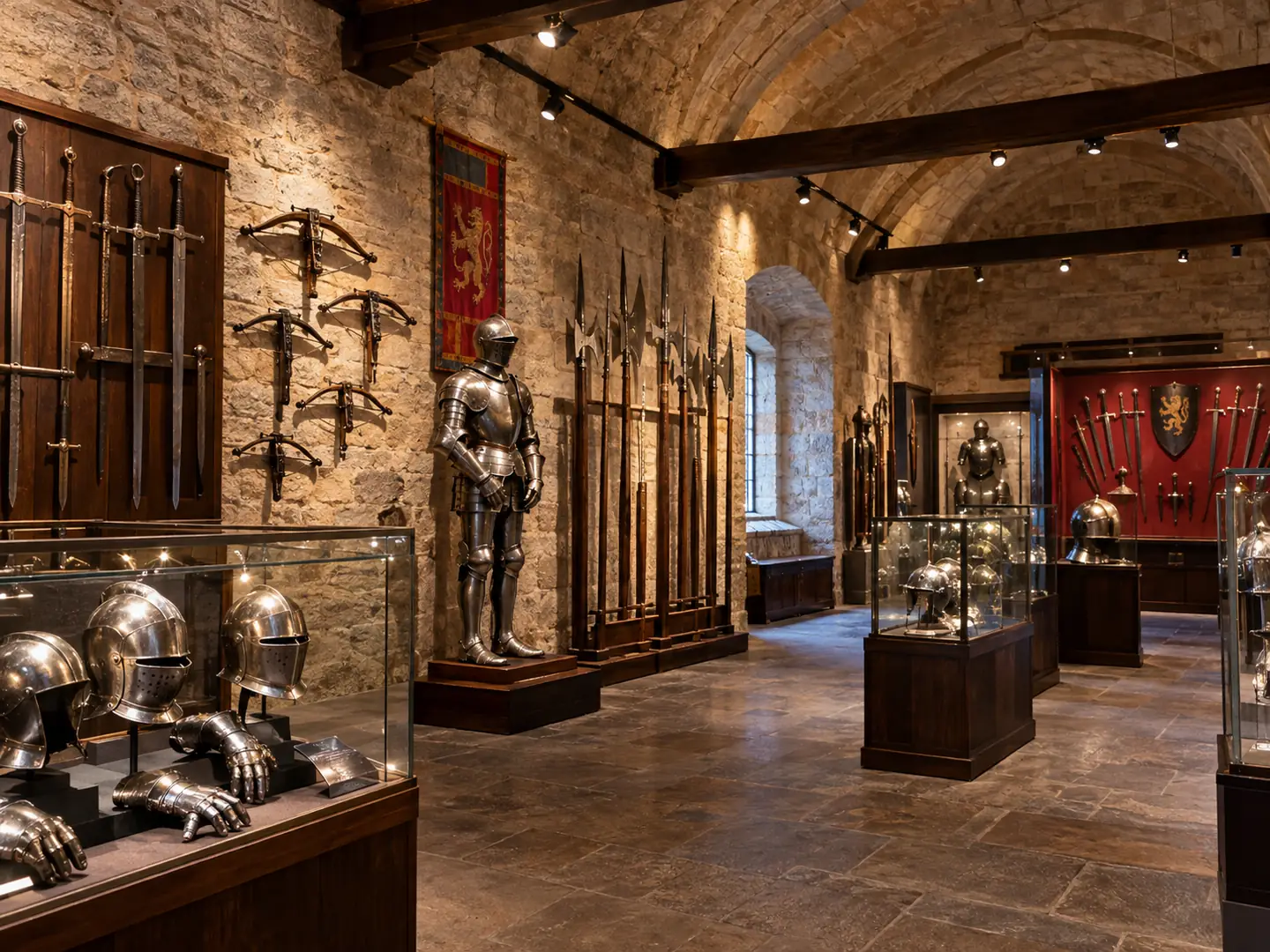
- More than 250 weapons and pieces of armour from across Europe, the castle’s own figure; French Wikipedia puts it near 300 pieces, 13th to 17th century, and ranks the collection second in France after the Musée de l’Armée. What is in the cases.
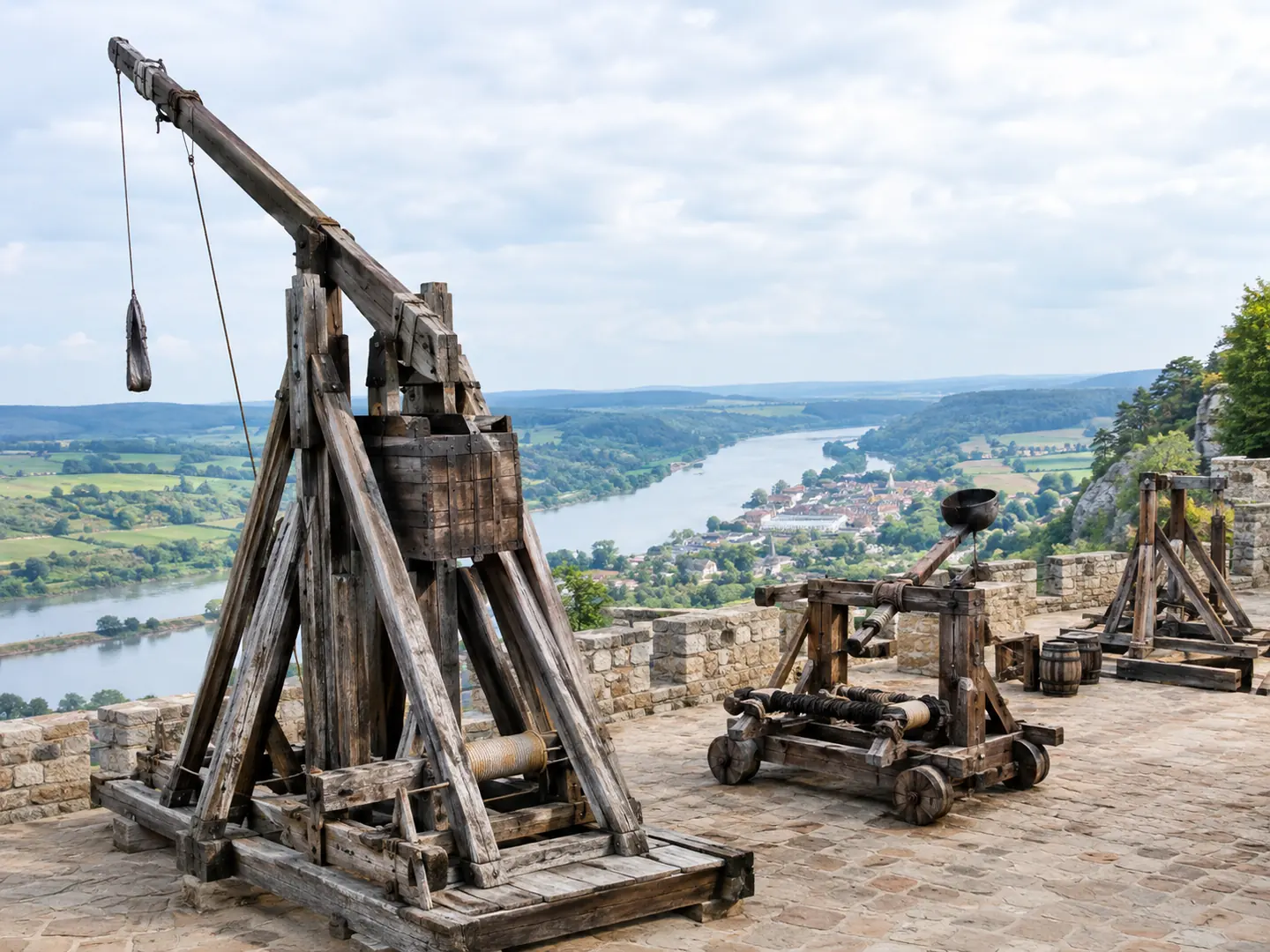
- Full-scale war machines on the bastion — trebuchet, mangonneau, pierrière, bombarde and bricole, standing in attack positions rather than behind rope. The firing, and which machine does it.
- The 1442 siege, modelled with light and sound, showing the English leaving, plus six videos on building, besieging, equipment and the restoration. Three weeks, and 400 gold coins.
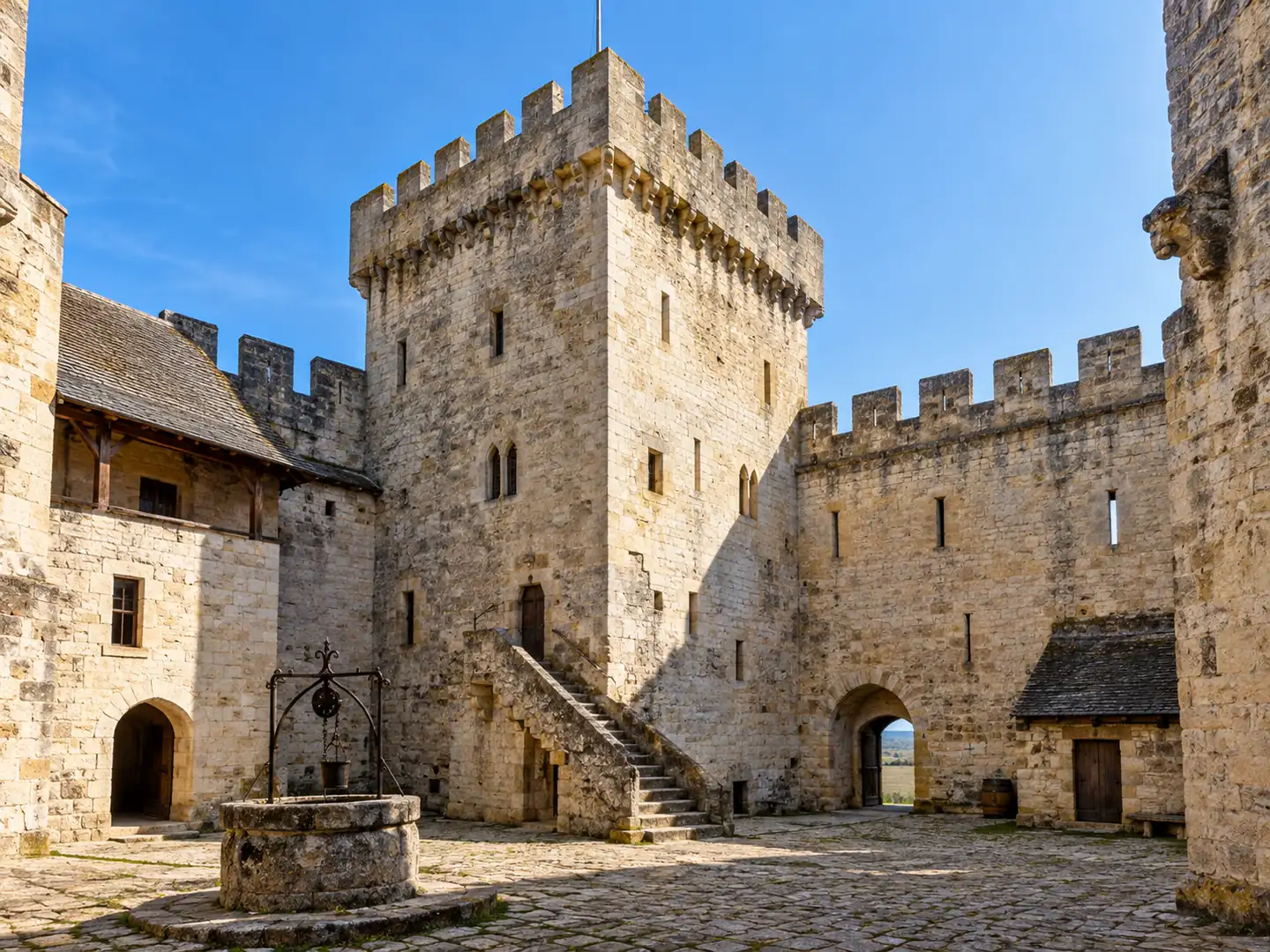
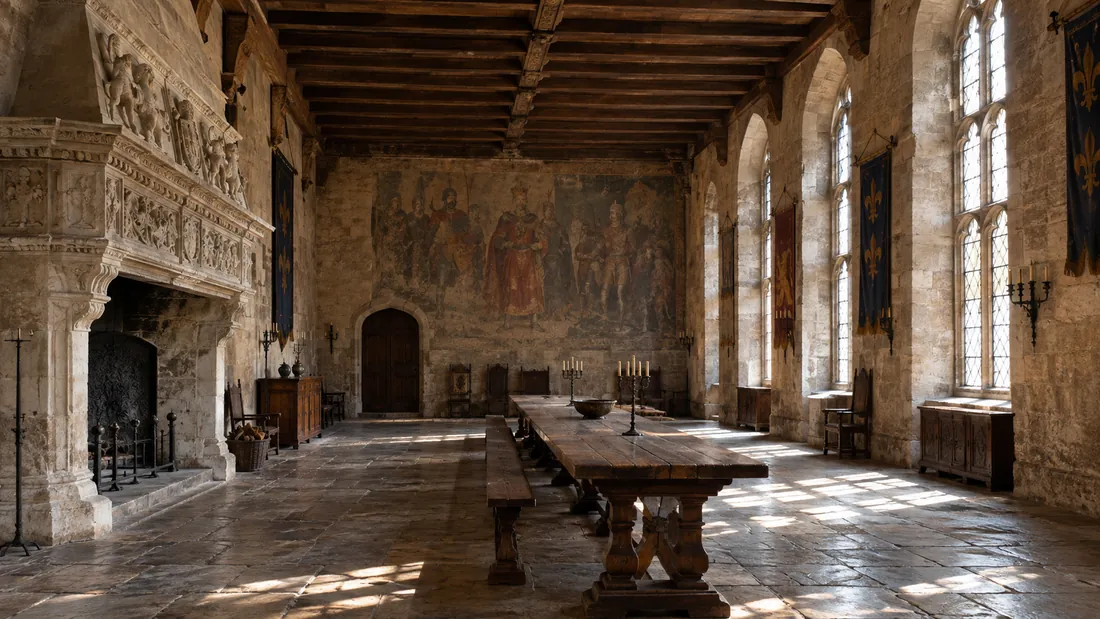
- The rooms themselves — keep, curtain wall, artillery tower, barbican, bastion, both baileys, the forge, the kitchen and a wall painting of the Nine Worthies. Room by room.
What the listings add
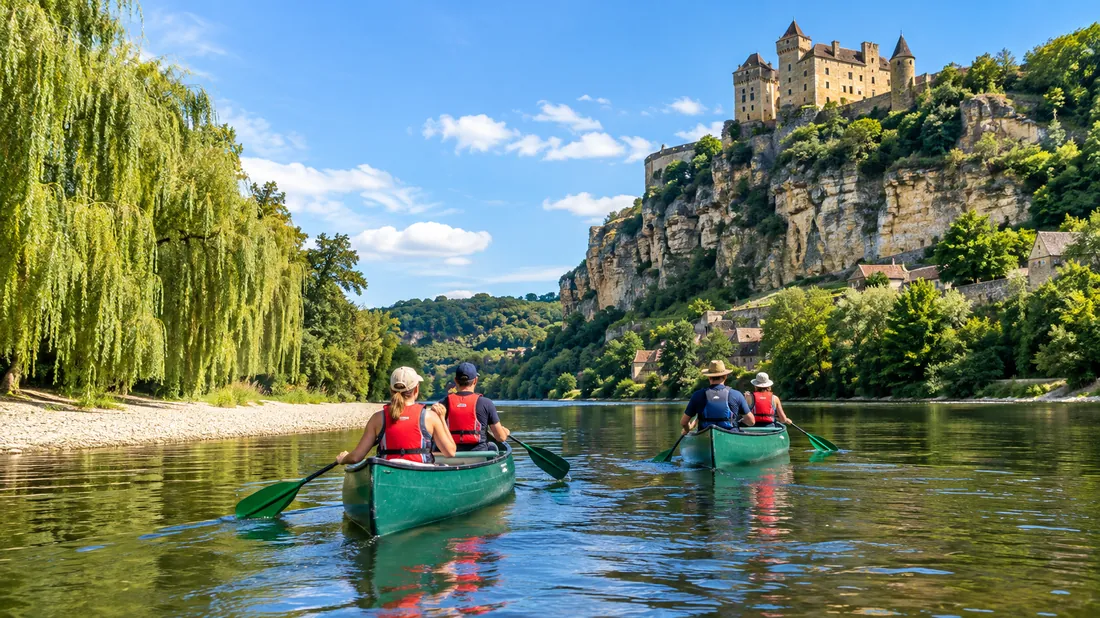
- The river directly beneath the walls. Three hours from Vitrac with the shuttle back, or a 15 km route that names Castelnaud in its own description. Both paddling routes.
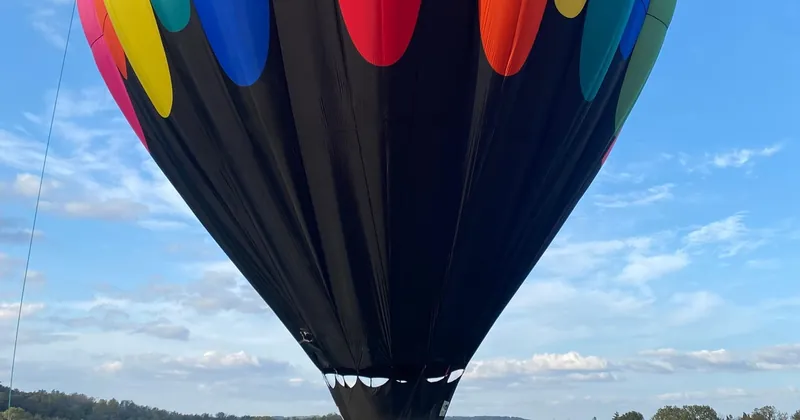
- The whole valley from the air. Three hours in all, about an hour airborne, from Cénac. The briefing and commentary are in French. What the flight involves.
- A day without a car. Four hours out of Sarlat — Beynac village, a gabarre at La Roque-Gageac, then Domme — or a private vehicle with a guided hour inside a castle. Both, compared.
- Beynac, booked ahead. The rival fortress on the far bank, preserved and furnished where this one is a restored ruin, and the one castle interior here anybody can reserve. Which of the two, and in what order.
The visit, in order
From the car park to the medieval garden. About an hour is the castle’s own figure for the inside; the climb and the village are extra.
Castelnaud is a restored ruin with a museum built into it, so the walk runs outdoors and indoors by turns: baileys and ramparts in the open, then weapons rooms and a siege model under a roof, then out again onto the bastion where the engines stand.
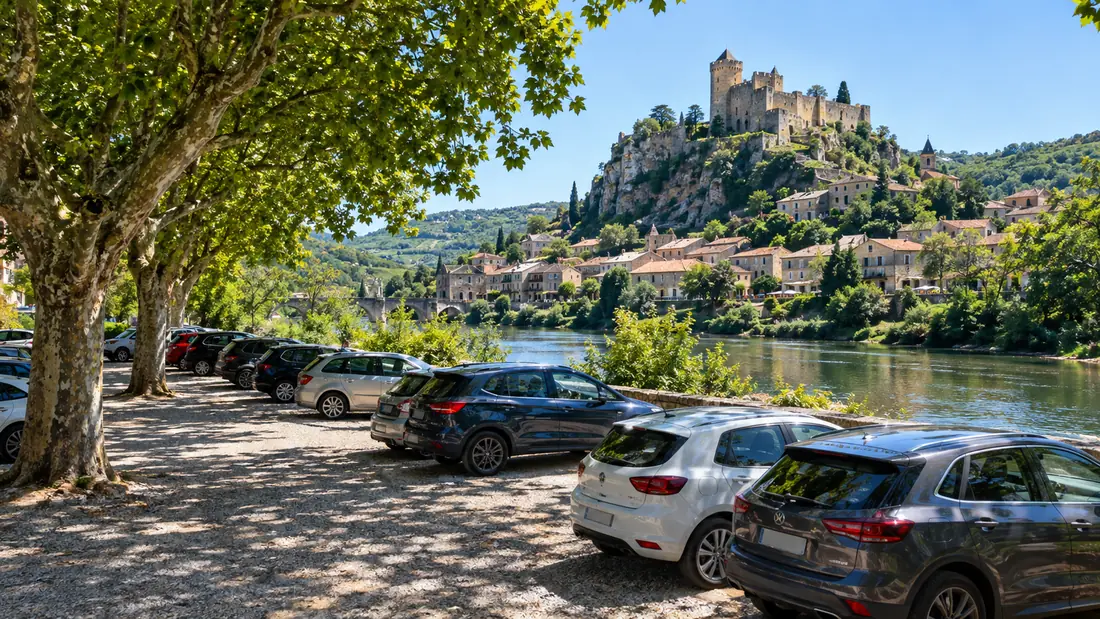
- Park above the castle, or by the river ~10 min — The municipal car park above the castle is paid and about three minutes from the gate. The car park along the Dordogne is free and about fifteen. Those are the castle’s own figures.
- Up through the village ~15 min — Castelnaud-la-Chapelle climbs in lanes of pale stone from the water to the gate. A short climb from the upper car park, a longer one from the river; no source gives a gradient, so plan for a walk uphill in either case.
- The barbican and the lower bailey ~10 min — The outwork a besieger had to take first, then the lower courtyard. This is where the printed tour booklet is picked up — free, twelve languages, and a Braille edition.
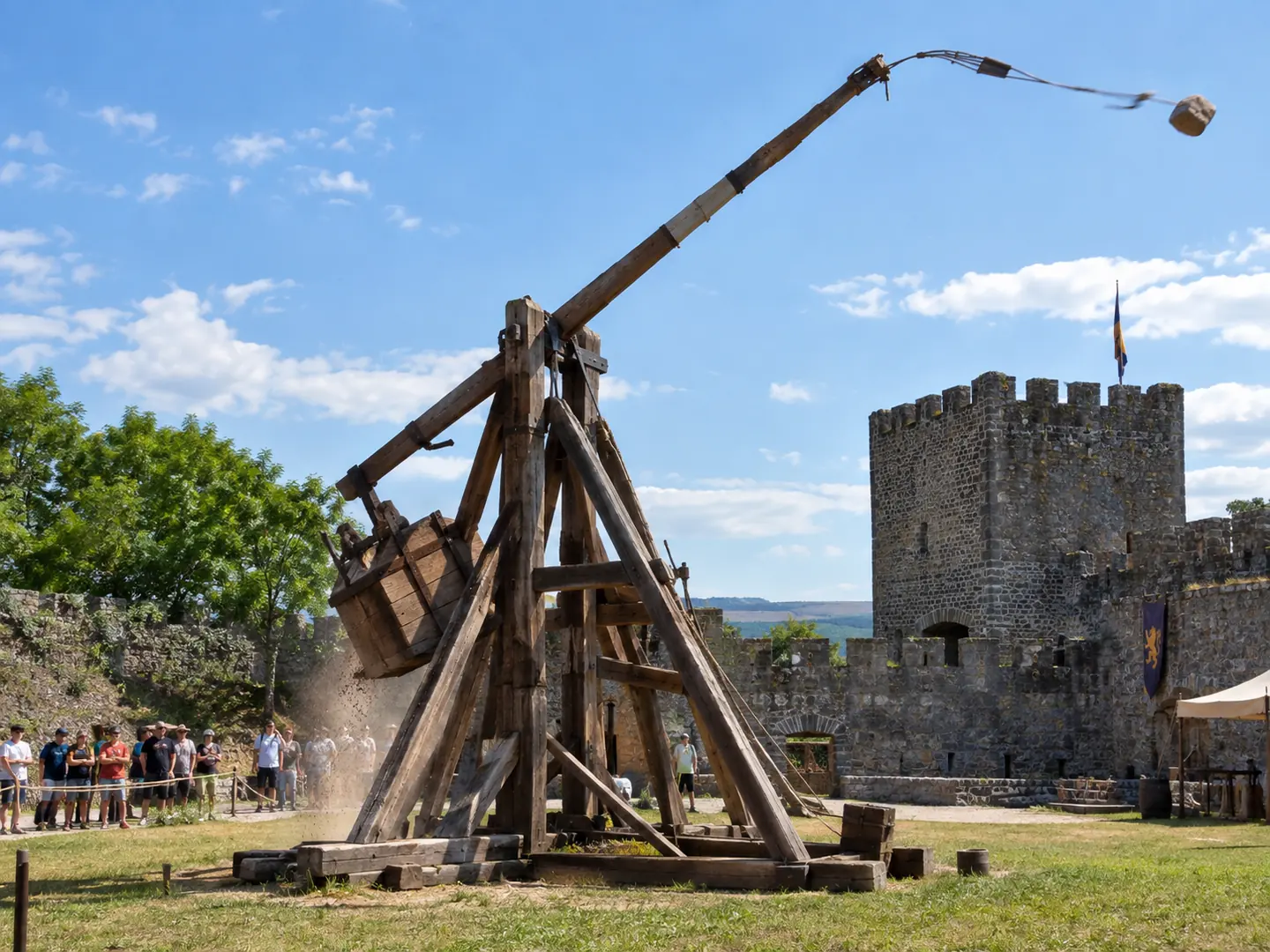
- The bastion and its engines ~15 min — Reconstructed war machines at full size, in attack positions along the bastion: trebuchet, mangonneau, pierrière, bombarde, bricole. The machine fired in the demonstration is a separate one, at a third of the size.
- The weapons rooms ~20 min — The Musée de la guerre au Moyen Âge: more than 250 authentic weapons and pieces of armour, with scale models of siege engines at 1:10 and 1:20 in a room of their own.
- The siege of 1442, in light and sound ~10 min — A model of the three-week siege Charles VII ordered against the garrison holding for Henry VI, ending with the English leaving. Six videos sit around it on construction, warfare, equipment and the restoration.
- The keep and the artillery tower ~10 min — The high end of the site. The tower lost its upper storeys when the ruin was quarried for stone after 1789, and the living quarters carry a wall painting of the Nine Worthies.
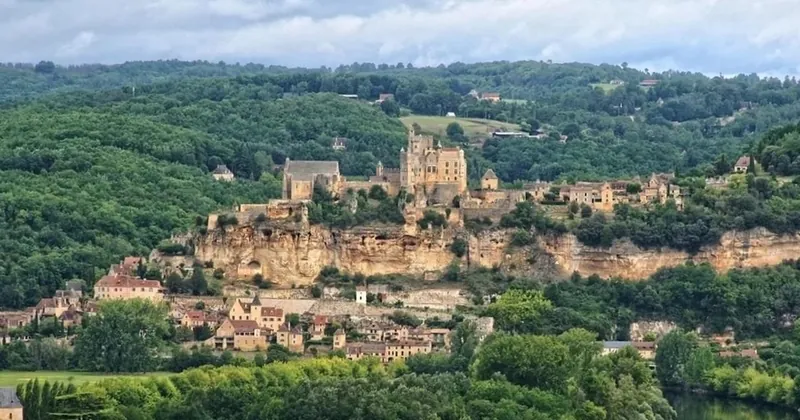
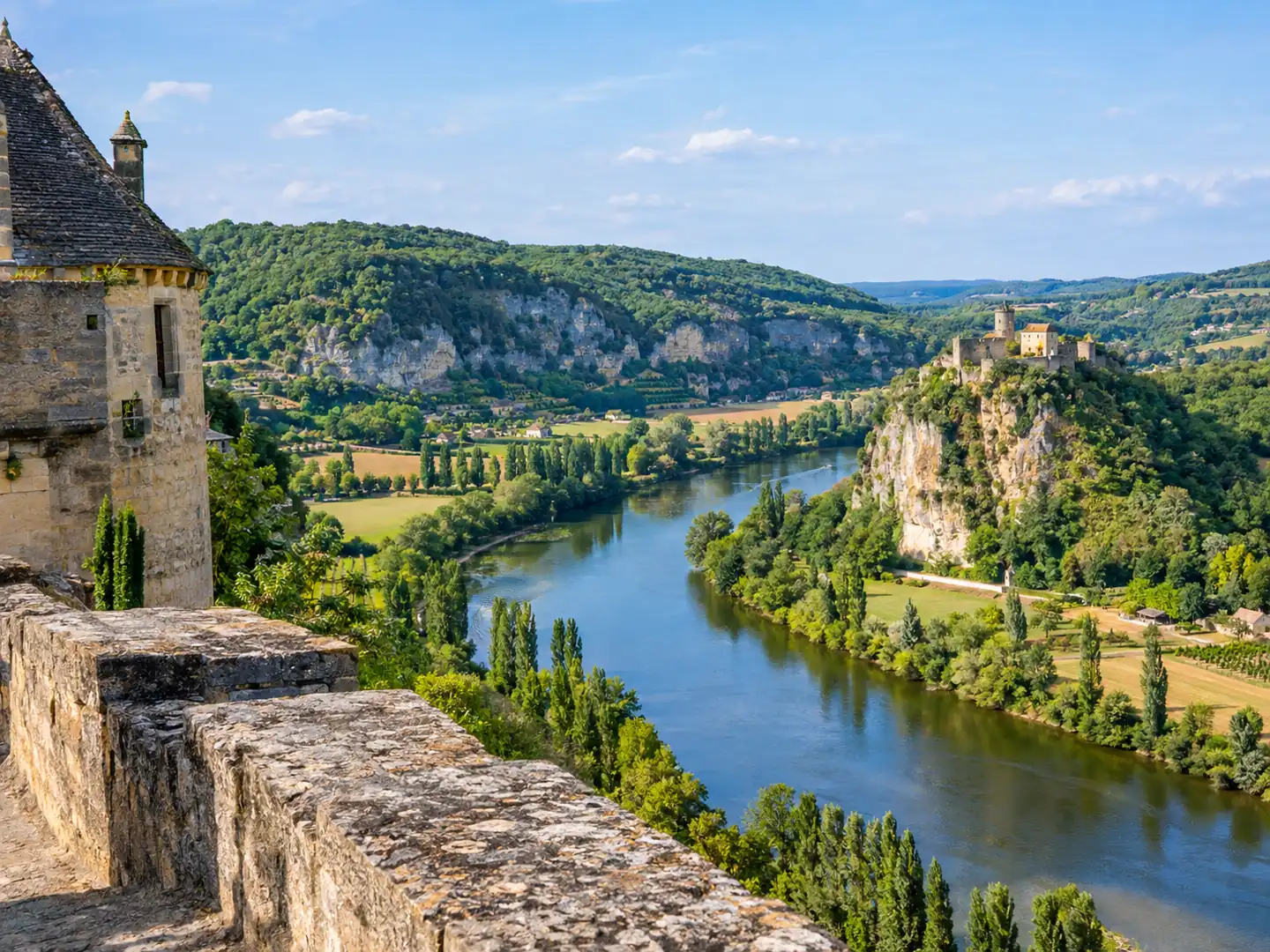
- The view across the river to Beynac ~5 min — The whole point of where this castle was put. The Dordogne was the frontier between the French crown’s lands and English Guyenne, and the fortress on the far bank held for the other side.
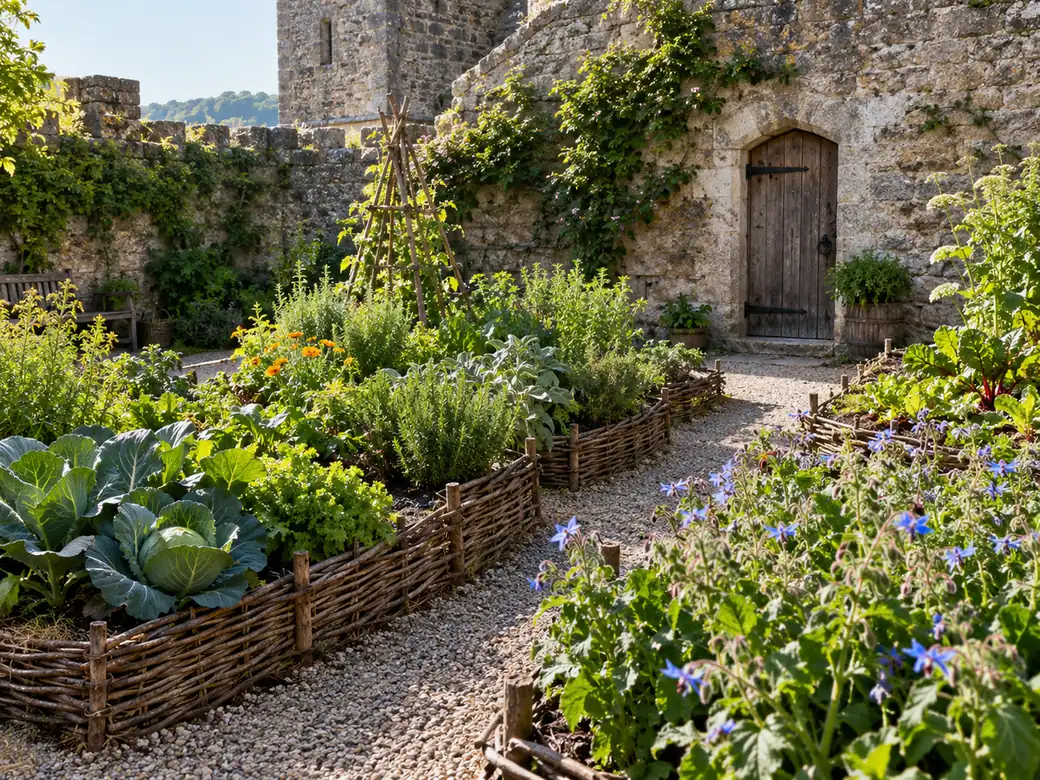
- The medieval garden ~20 min — About twenty minutes at the quiet end of the visit, with the valley below it.
The hours season by season are on the opening hours page, the full room list on what to see inside, and the afternoon-shaped question on how long it takes.
How a day at Castelnaud is put together
Work out whether you are driving
With a car the question is which of the two car parks and how much climb you want. Without one, a tour out of Sarlat is how most people arrive: the Sarlat–Castelnaud bus, line 338, runs in July and August only. Every way there.
Give the castle an hour, and the day something else
The signposted visit is unguided and the castle gives it as about an hour, which leaves most of an afternoon. The river beneath the walls, the valley from a balloon, Domme and La Roque-Gageac, or Beynac across the water are what people fill it with. All six, sorted by situation.
Pick a date on the widget
The confirmation arrives by email and cancels free up to 24 hours before, so a date can be fixed now and moved once the weather is known. The canoe base lets you start any time between half past nine and two.
Check the day’s programme at the gate
Trebuchet firings, the blacksmith, guided visits and the children’s sessions run to a board posted at the entrance, and the mix changes with the season. What runs when.
The Dordogne from directly beneath the walls
The deepest-reviewed listing in this valley: three hours on the water from Vitrac, past La Roque-Gageac, under the walls of Castelnaud and on beneath the cliff of Beynac, with the shuttle back to the base. Canoe or kayak, paddle, life jacket, insurance and parking at the base are in it, and dogs may come aboard. It rates 4.7 out of 5 from more than 270 ratings. Live dates and today’s price below.
Three different days in the same valley
The river under the castle, a guided half day out of Sarlat, and the fortress on the far bank. Today’s exact price is on each listing.
| Most reviewedFrom Vitrac: Dordogne River Canoe Rental | From Sarlat: Beynac & Domme Tour & Dordogne Boat Ride | Château de Beynac: Entry Ticket to the Castle | |
|---|---|---|---|
| Which castle | Castelnaud, from the river below | Beynac and Domme, on foot and by boat | Beynac, the fortress on the far bank |
| Price per person | ~€29 | ~€110 | ~€17 |
| How long | Three hours on the water | Four hours, door to door from Sarlat | About an hour on site, valid one day from first use |
| What you see | Castelnaud from directly below, then the Beynac cliff | Beynac village, a gabarre at La Roque-Gageac, then Domme | Inside Beynac: apartments, painted ceilings, a 13th-century kitchen |
| Guided? | Self-guided, after a briefing at the base | Live guide in English; French commentary on the boat | Self-guided, at your own pace |
| Getting there | Your own way to Vitrac; free parking at the base | Van from Place Pasteur, Sarlat-la-Canéda | Your own way to Beynac-et-Cazenac |
| In the price | Canoe, paddle, life jacket, insurance, shuttle back | Two guided village walks, the boat and the driver | Castle entry, the Richard the Lionheart exhibition, the bookshop |
| Who it suits | Anyone over 5 who can swim 25 metres, in shoes | A day without a car, with two adults minimum | Anyone wanting a furnished castle rather than a ruin |
| Rating | 4.7 from more than 270 ratings | 4.6 from more than 160 ratings | 4.4 from 13 ratings |
| Free cancellation | ✓ Up to 24 h before | ✓ Up to 24 h before | ✓ Up to 24 h before |
| Book this → | View → | View → |
The six listings that work around the Château de Castelnaud
Two paddling routes beneath the walls, a balloon over the valley, a guided half day and a private one out of Sarlat, and the entry ticket for Beynac on the far bank. All six, sorted by situation.
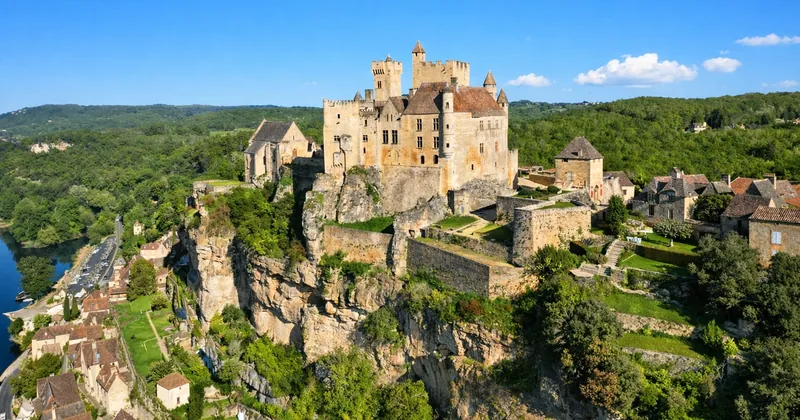 Across the river
Château de Beynac: Entry Ticket to the Castle
 15 km route
Vitrac: Canoe/Kayak Dordogne Châteaux Route (15 km)
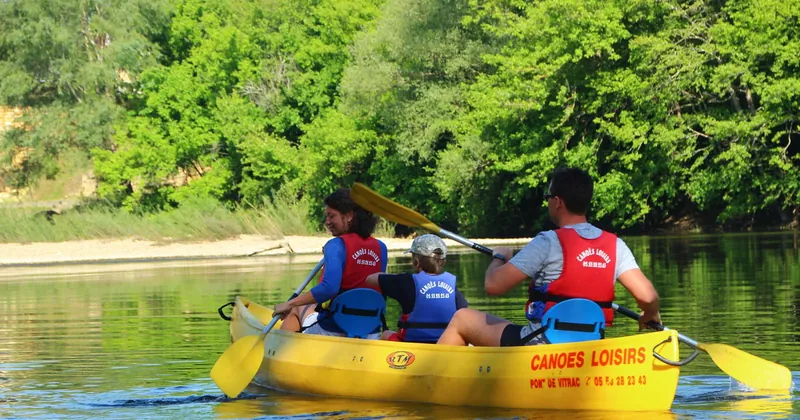 Most reviews
From Vitrac: Dordogne River Canoe Rental
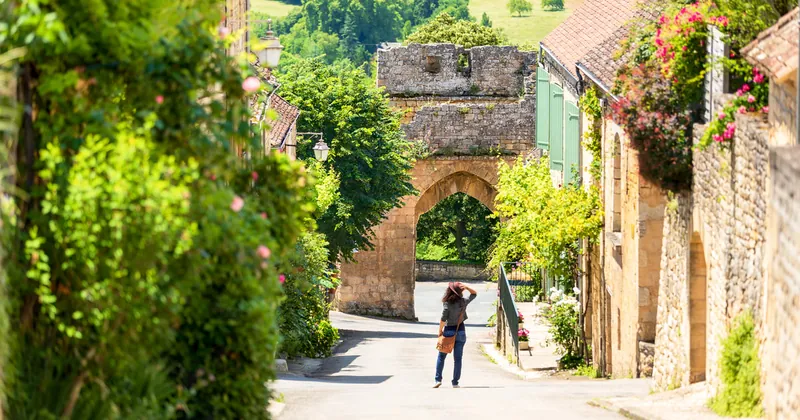 Half day
From Sarlat: Beynac & Domme Tour & Dordogne Boat Ride
 Private guide
Sarlat: Private Tour to the Dordogne Valley
 Over the valley
Dordogne: Hot Air Balloon Flight in the Valley of the Châteaux
What the castle actually looks like
The bastion and its engines, the trebuchet, the weapons rooms, the keep, the view across the Dordogne and the medieval garden. Click any photo to see it full-size.
What people wrote afterwards
Written reviews from the six listing pages, picked for what they say about the water, the guide and the valley. All six, reviewed.
The boats are stable and handle well, and the staff were friendly.
The rental and the transport back both worked, and the route is beautiful.
Bring swimming things and something to eat — it is really beautiful.
What made it was the guide’s knowledge.
Gliding silently over the castles and the river is hard to put into words.
A site worth discovering for its history, in a beautiful setting.
Ratings and reviews are the operators’ live GetYourGuide figures. Read our full tour reviews ›
Five things people ask before they go
Answered from the castle’s own notices, the departmental tourist board and the listings’ own inclusion lists.
Is the trebuchet on the bastion the one they fire?
No, and this is the thing most often got wrong here. The full-size machines along the bastion — trebuchet, mangonneau, pierrière, bombarde and bricole — stand in attack positions and stay there. The demonstration uses a separate machine at a third of the size, about ten minutes, several times a day from April to November, with the day’s times posted at the entrance. How the firing works.
Which car park, and how far is the walk?
The municipal car park above the castle is paid and about three minutes from the gate; the car park along the Dordogne is free and about fifteen. The village’s own site adds around 220 spaces at the Parking du Pont, paid from April to October and free the rest of the year, and a free Parking de la Plage. Every option, and the walk from each.
Is there an audio guide?
There is not one, and the castle does not use them. A printed tour booklet is free at the entrance in twelve languages, including a Braille edition, and a games booklet is free for children aged 7 to 12 while stocks last. Guided visits run to a published programme of about 45 minutes, and the hour-long “assaulting the castle” visit ends in a firing. What the booklet walks you through.
Can somebody with reduced mobility visit?
Partly, and the castle is direct about it: the layout and the many narrow staircases make the museum difficult, but the viewpoint and the barbican are accessible, the site carries the Tourisme & Handicap label, and a free 360° virtual visit is offered instead. A pram is very hard to use inside and can be left at the entrance or at the foot of the artillery tower. Visiting with small children.
Does any of this work in the rain?
Most of it. The weapons rooms, the siege model and the videos are indoors, the activities run in the rain according to the tourist board, and the castle opens every day of the year. The canoe bases and the balloon are the weather-dependent part of the day, and both cancel free up to 24 hours before. Which month suits a visit.
Visiting the Château de Castelnaud, explained
The Château de Castelnaud is a medieval fortress above the Dordogne at Castelnaud-la-Chapelle, in the Périgord Noir, about 9 km from Sarlat-la-Canéda, and it opens every day of the year. It is a restored ruin rather than a furnished house, and what fills it is the Musée de la guerre au Moyen Âge: 250-odd weapons, war machines on the bastion, and a model of the siege this castle lost in 1442.
Getting there, and the two car parks
The motorway exits the castle names are Souillac on the A20 and Sarlat-la-Canéda on the A89. Of the two car parks, the municipal one above the castle is paid and three minutes from the gate; the one along the Dordogne is free and fifteen. Line 338 from Sarlat runs in July and August only. Every way there and every car park.
The climb
The village climbs to the gate in lanes of pale stone: a short climb from the upper car park, a longer one from the river. No source gives a gradient or a step count, so nothing here invents either. Inside, the castle is direct about its layout — the many narrow staircases make the museum difficult for visitors with reduced mobility, though the viewpoint and the barbican are accessible, and a free 360° virtual visit is offered instead. A pram is very hard to use inside and can be left at the entrance or at the foot of the artillery tower. Visiting with children.
The ticket, and what it covers
Entry to Castelnaud is bought at the castle itself or on castelnaud.com, on any day of the year, with no timed slot and nothing to reserve. One ticket covers the whole site, the museum, the videos and whatever the season is running. There is no audio guide and none is needed: a printed tour booklet is free at the entrance in twelve languages and in Braille, with a games booklet for children aged 7 to 12. A combined ticket with the Jardins de Marqueyssac runs from 7 February to 11 November 2026, which is why so many people pair the two. The 2026 tariff in full, and the hours season by season.
The hour inside, room by room
The castle gives the unguided visit as about an hour; last admission is an hour before closing. The route runs from the barbican and the lower bailey through the upper bailey to the keep and the artillery tower, both of which lost their upper storeys when the ruin was quarried for stone after 1789. The living quarters carry a wall painting of the Nine Worthies, and six videos cover the building, the warfare, the equipment and the restoration. The piece most visitors remember is the lit and narrated model of the 1442 siege, which ends with the English garrison leaving after three weeks and a surrender bought for 400 gold coins. The rooms, in order and what happened in 1442.
The bastion, and which trebuchet is fired
Along the bastion stand full-scale reconstructed war machines in attack positions: trebuchet, mangonneau, pierrière, bombarde and bricole, pointed at the valley. They are not the machines used in the demonstration. The firing uses a separate trebuchet at a third of the size, takes about ten minutes, and runs several times a day from April to November, with the day’s times posted at the entrance. That distinction is the commonest misunderstanding about this castle. The firing, and what else runs in season.
The museum
The Musée de la guerre au Moyen Âge holds more than 250 authentic weapons and pieces of armour from across Europe, the castle’s own figure; French Wikipedia puts it near 300 pieces, 13th to 17th century, and ranks it second in France after the Musée de l’Armée. A room of scale models sets the siege engines out at 1:10 and 1:20. What is in the cases.
The view across to Beynac
From the ramparts the reason for the castle’s position is obvious. The Dordogne was the frontier between the French crown’s lands and English Guyenne: Castelnaud held for the English, Beynac for the French. The two are a real choice — Beynac preserved and furnished, Castelnaud the hands-on one — and no battle between them is documented. Which of the two, and in what order.
Which of the six listings suits your day
None is a Castelnaud ticket; all are the day around it. The three-hour canoe rental from Vitrac, around twenty-nine euros, has the deepest review base here and passes directly beneath the walls, shuttle back included. The 15 km châteaux route, around twenty-eight euros, is about two and a half hours past La Malartrie, Castelnaud and Fayrac. Both need paddlers over five who can swim 25 metres. The half-day tour from Sarlat, around a hundred and ten euros, solves the driving: four hours by van to Beynac village, a gabarre at La Roque-Gageac and Domme, though it does not come here. The private tour, around a hundred and sixty-three euros, is three and a half to four hours with a guided hour inside a castle — Beynac most of the year, Castelnaud from January to mid-February when Beynac is closed, which the operator notes as a substitution rather than a guarantee. The balloon from Cénac, around two hundred and sixty euros, is about an hour airborne over the valley, in French. The Beynac entry ticket, around seventeen euros, is the one castle interior anybody can fix a date for. All six, sorted by situation.
Give the castle an hour, catch a firing if the season allows, and spend the rest of the day on the river, in the air or on the far bank. The widget above has live dates.
Frequently asked questions
Can I book tickets for Castelnaud online?
A booking made ahead buys a fixed date, an emailed confirmation and free cancellation up to 24 hours before on everything that fills the day around the castle: the river beneath the walls, the valley from a balloon, a guided run out of Sarlat, and Beynac on the far bank. Castelnaud’s own entry works differently — the castle asks for no reservation and no timed slot, on any day of the year, and the tickets page sets out its 2026 tariff, the combined ticket with Marqueyssac and where entry is handled. The listing most people book beside a visit is the three-hour canoe from Vitrac, at around twenty-nine euros. Both paddling routes.
How long do you need at the Château de Castelnaud?
The castle gives the unguided visit as about an hour, which is shorter than most people expect for a site this size, and last admission is an hour before closing. Add a trebuchet firing of about ten minutes, twenty in the medieval garden, and the climb from whichever car park you used, and a half day is the realistic slot. What fits around it.
Castelnaud or Beynac — which castle should I choose?
They are two different days. Castelnaud is a restored ruin with the Musée de la guerre au Moyen Âge inside it: siege engines on the bastion, a trebuchet fired in season, and the hands-on visit of the pair. Beynac, on the far bank, is preserved and furnished — 17th-century apartments, painted ceilings, a 13th-century kitchen, 15th-century frescoes. Castelnaud draws roughly twice Beynac’s visitors. Both, and in which order.
Did Castelnaud and Beynac ever fight each other?
No source shows it. The two held opposite sides of a frontier — the Dordogne divided the French crown’s lands from English Guyenne, Castelnaud holding for the English and Beynac for the French, and English Wikipedia calls Castelnaud a rival stronghold built against Beynac across the waterway. But no battle between the two castles is documented, and the picture of garrisons trading fire across the water is legend. What did happen, in 1442.
What is the most famous château in France?
By visitor numbers it is Versailles, with the Loire castles — Chambord, Chenonceau, Villandry — behind it, and all of those are palaces rather than fortresses. Castelnaud belongs to the other family: a château fort, built to hold a river valley, drawing around a quarter of a million people a year to a museum of medieval warfare. Eight centuries of it.
What is the difference between château and châteaux?
Château is the singular and châteaux the plural — French adds an x, not an s. The word itself covers both a fortress and a grand country house, so it does not tell you which you are looking at. Castelnaud is a château fort: keep, curtain wall, artillery tower, barbican and bastion. Where it stands, precisely.
Is the Château de Castelnaud worth it with children?
It is the more child-friendly of the valley’s two big castles. The engines on the bastion can be walked up to, the firing lasts about ten minutes, a treasure-hunt booklet runs all year and there is a knights’ school for ages 5 to 14 in the spring and autumn holidays, costume try-ons from October to March, and a blacksmith at work daily in season. A pram is the one thing that does not work inside. What each activity involves.
Still have questions? Email us [email protected]